Training that builds capacity
Tailored workshops, from a single day to a full week
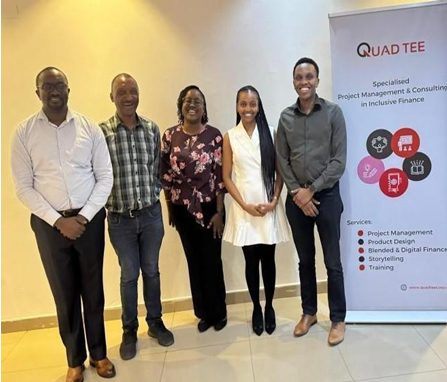
Quad Tee delivers transformative workshop training, a growing area of our expertise. Whether a session runs for one day or an entire week, we tailor it to your goals.
Workshops are dynamic platforms for learning and engagement, for your team and for the wider ecosystem.
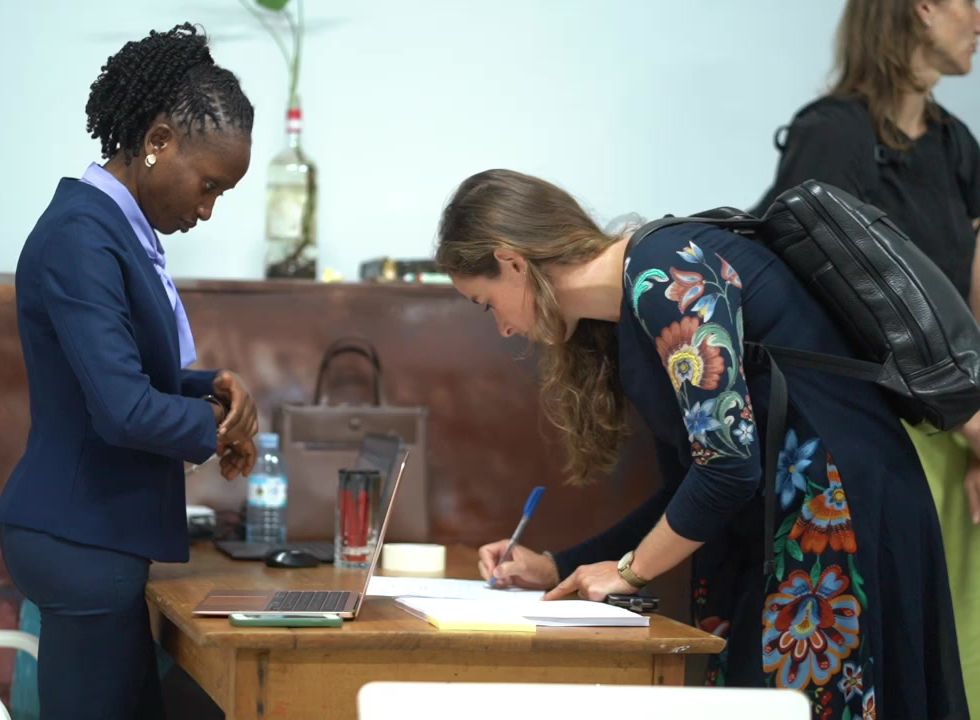
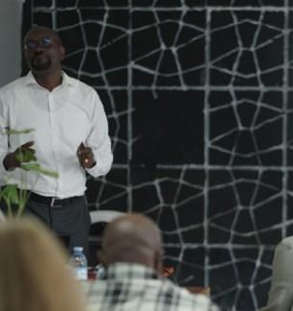
PADEO Access to Finance Validation Workshop
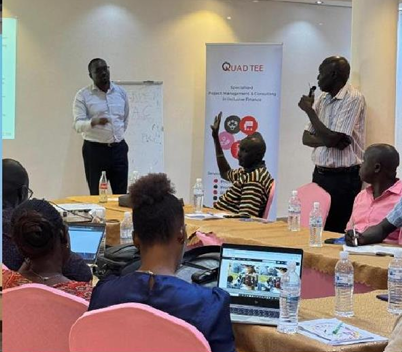
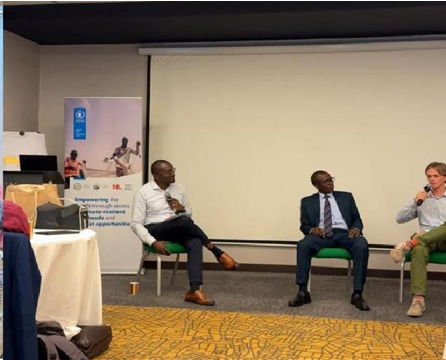
Participants contributed insights on proposed intervention areas, learnings from presentations and discussions, breakout sessions and possibilities for cooperation within the PADEO Access to Finance programme.
Participation was diverse, including commercial banks, impact funds, insurance providers and fintechs. Discussions highlighted the need for innovation, data infrastructure and collaborative solutions to improve access to finance for smallholder farmers.
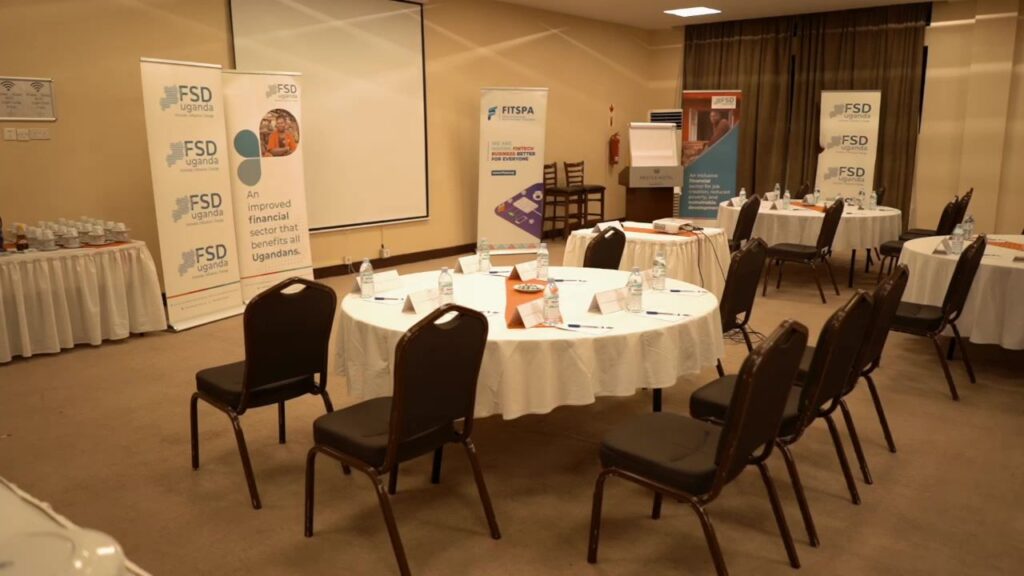
Platform Economy Workshop (Cohort 2)
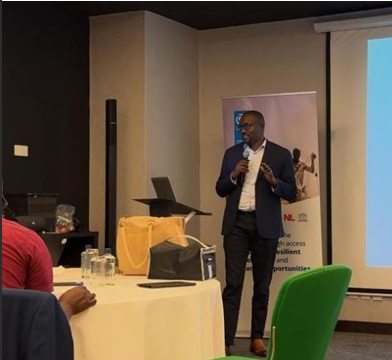
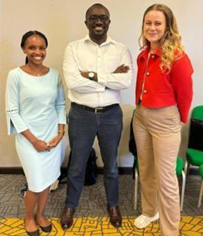
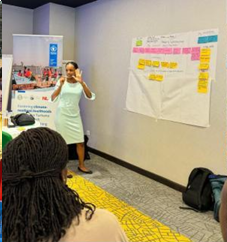
Quad Tee led the second Platform Economy workshop in Kampala, a collaboration with FSD Uganda and FITSPA. Over two days, local fintech companies explored the platform economy, from business models and technology to fundraising.
Engagement was high, with lively debate on topics such as AI.
Facilitation of Various Workshops
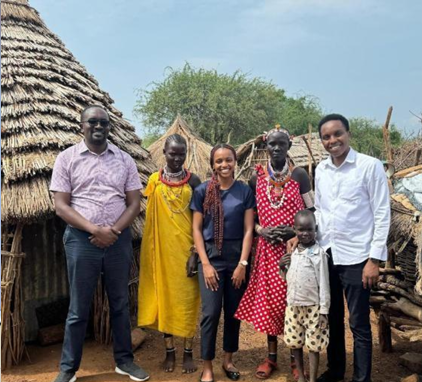
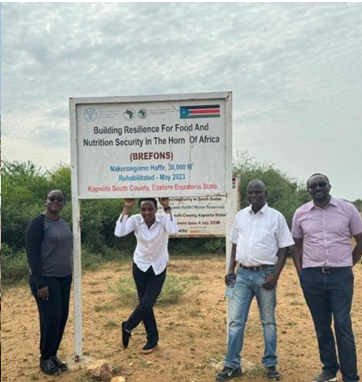
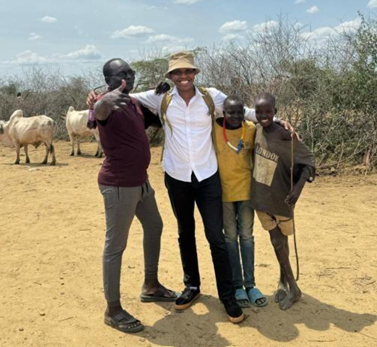
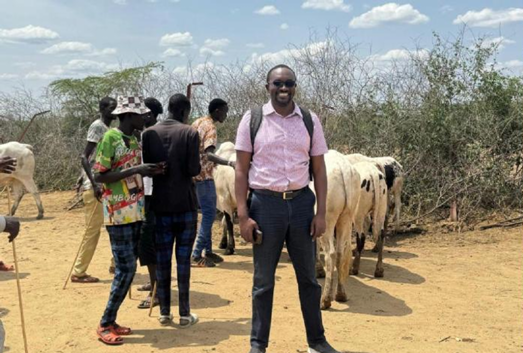
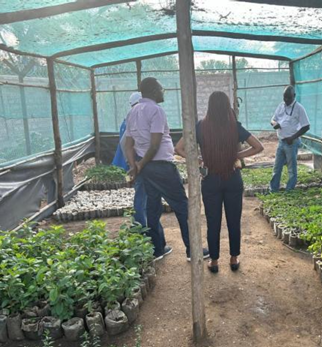
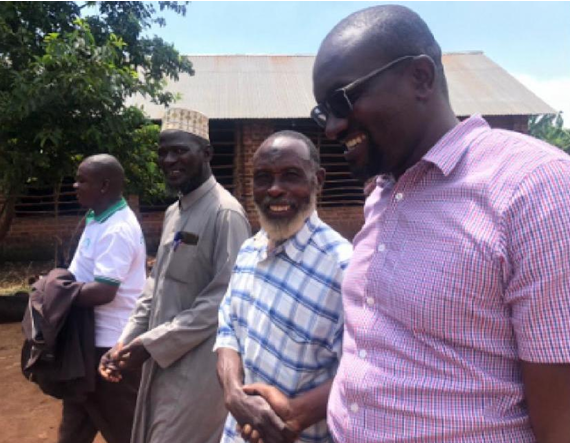
South Sudan Visit for the Feasibility Study of IBLI
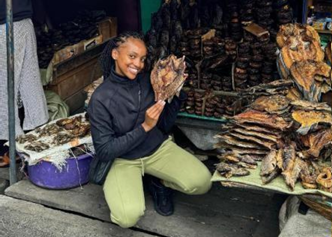
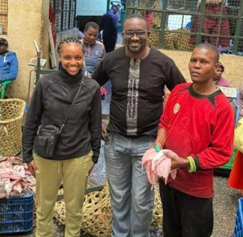
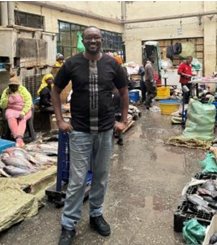
Fisheries Systems
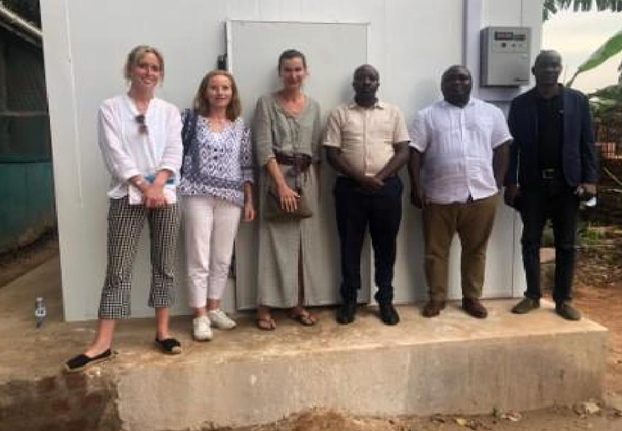
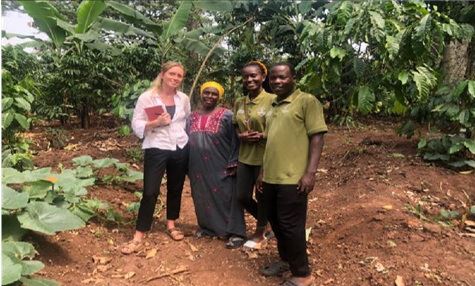
System Analysis of the Horticulture Business in Uganda
Platform Economy Master Class
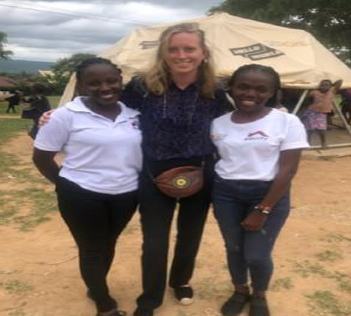
Refugee Youth Financing
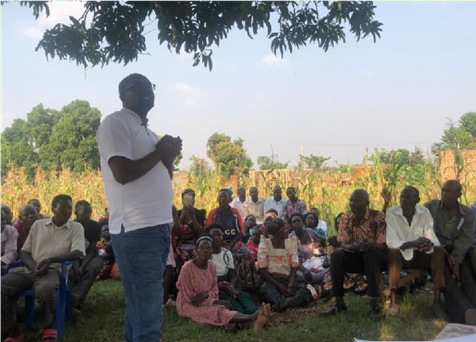
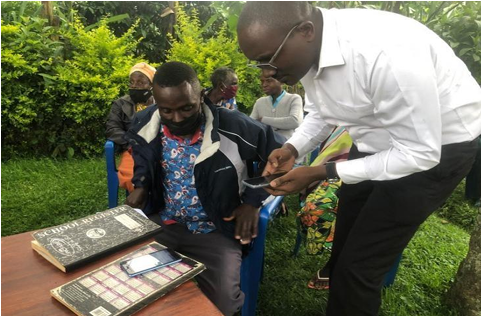
Digital Platform Economy in Western Uganda
OUR PRIORITY SECTORS
Agriculture and SME Finance
Empowering Smallholder Farmers and Agriculture SMEs: A substantial portion of sub-Saharan Africa’s workforce is employed in agriculture, predominantly in smallholder farming. Addressing their financial challenges, we’ve supported development partners in designing and implementing innovative solutions. Advising the Ministry of Foreign Affairs of the Netherlands, our approach has been multifaceted, involving systems analysis and mapping, financial market assessments, stakeholder engagement, and designing strategic interventions. The interventions incorporated climate finance, livestock finance, digital adoption and risk-sharing mechanisms to enable access to finance and lower the cost of lending for farmers through a value chain approach supported by market linkages to agriculture SMEs.
Climate Finance and Climate Risk Mitigation
Transforming Access to Finance through Digital Solutions
Women and Youth Finance: Unlocking Potential
Expanding Horizons
Risk Sharing Funds and Credit Risk Guarantees
Systems Thinking and Analysis
We use systems thinking to understand why markets and sectors do not work for the people who depend on them. Through systems analysis and mapping, we identify the actors, incentives, constraints and relationships that shape a sector, and the leverage points where a targeted intervention can create lasting change. We have applied this approach to agriculture finance for PADEO, to the horticulture sector in Uganda, and to fisheries around Lake Turkana. The result is a shared picture of the system that stakeholders can act on, and interventions built on evidence rather than assumptions.
Market Systems Development
We take a market systems approach to inclusive finance: we look beyond individual beneficiaries to the wider market they operate in. That means working on value chains, market linkages between smallholders and agriculture SMEs, and the financial services, data infrastructure and support functions around them. We engage the private sector, financial institutions, fintechs, impact investors and development partners so that solutions are commercially viable and can continue beyond project funding. Our aim is to strengthen how the market itself works, so that change lasts.
Feasibility Studies
Before a new financial product or model is scaled, we test whether it can work. Our feasibility studies assess market demand, institutional capacity, community willingness to adopt, regulatory and operating conditions, and likely impact. Our study of Index-Based Livestock Insurance (IBLI) in South Sudan is an example: it assessed local institutional capacity and community willingness to adopt the model, and showed its potential to strengthen food security and livelihoods among pastoralist communities.
Plan a workshop with Quad Tee
We design and facilitate training on access to finance, digital finance and the platform economy for financial institutions and development partners.